
Introduction
Play is often seen as mere fun and games, but in the world of child development, it’s far more than that. Through play, children explore the world, build relationships, solve problems, and express emotions. And when you introduce learning toys—carefully designed tools that combine play with education—you unlock powerful opportunities for cognitive growth, skill-building, and emotional development.
Choosing the right toys during a child’s early years isn’t just about keeping them entertained. It’s about laying the foundation for critical thinking, communication, creativity, and confidence. In this article, we’ll explore how learning toys can help children become smarter and more self-assured, and why these tools should be a central part of every child’s play environment.
What Are Learning Toys?
Learning toys, also known as educational toys, are play items designed to support a child’s mental, physical, social, or emotional development. These toys engage children in ways that stimulate their senses, challenge their minds, and encourage exploration.
Examples of learning toys include:
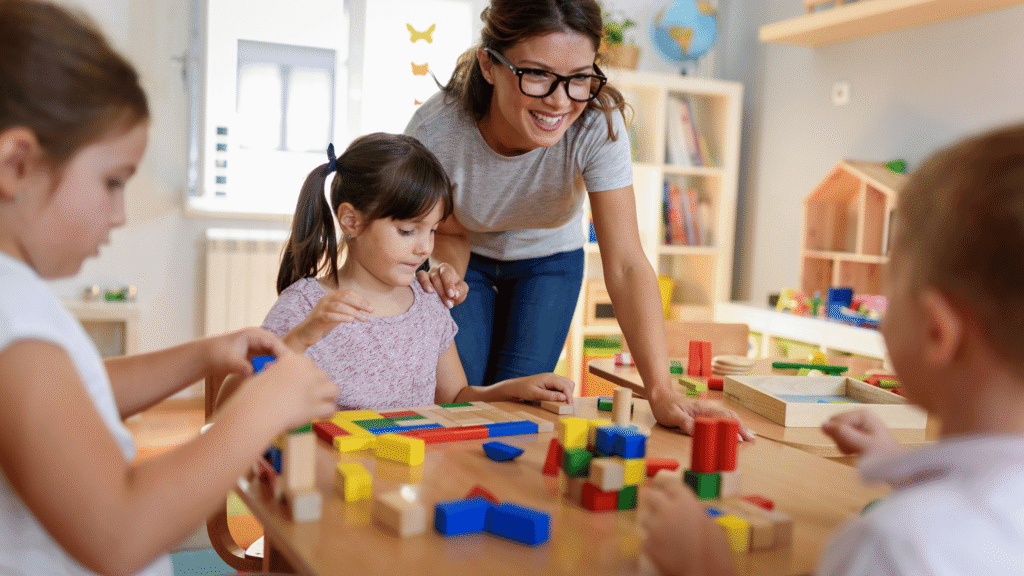
- Building blocks and construction sets (e.g., LEGO, wooden blocks)
- Puzzles and matching games
- Shape sorters and stacking toys
- Science kits and STEM-based tools
- Musical instruments for kids
- Art supplies that encourage creativity
- Role-play sets like doctor kits or mini kitchens
- Language and number games
- Interactive electronic learning devices
What sets these toys apart is their ability to merge play with learning outcomes, creating a fun yet enriching experience.
Cognitive Development: Building Smarter Minds Through Play
1. Enhancing Problem-Solving Skills
Toys like puzzles, mazes, and logic games challenge children to think critically. As they attempt to fit pieces together or find solutions, they develop strategic thinking and logical reasoning. These skills become the building blocks for success in school subjects like math, science, and even reading comprehension.
2. Boosting Memory and Concentration
Memory-based games or toys that require attention and sequencing help kids strengthen their focus. Repeated exposure to patterns, colors, and concepts reinforces their short- and long-term memory skills—both of which are crucial for academic success.
3. Introducing Early Math and Literacy Concepts
Learning toys that incorporate numbers, letters, shapes, and sizes subtly introduce kids to fundamental concepts in mathematics and language. For example, a child playing with a counting toy begins to grasp numerical order, while magnetic alphabet letters support early literacy by familiarizing children with phonics and word-building.
4. Encouraging Independent Exploration
Unlike passive entertainment, such as watching TV, learning toys encourage kids to interact and explore. This leads to active engagement, sparking curiosity and a love of learning from a young age.
Emotional Development: Growing Confidence Through Play
1. Mastery and Achievement
When children complete a puzzle, build a tall tower, or learn a new skill through play, they experience a sense of accomplishment. These “small wins” build confidence and reinforce a growth mindset—teaching children that effort and practice lead to success.
2. Safe Space for Self-Expression
Learning toys such as art supplies, musical instruments, or pretend play sets allow kids to express themselves freely. This emotional expression supports better self-awareness, emotional regulation, and the development of a positive self-image.
3. Handling Frustration and Perseverance
Some learning toys are purposefully designed to be a little challenging. They teach kids to tolerate frustration, try different strategies, and persist through difficulties—life skills that build emotional resilience and grit.
4. Feeling Capable and In Control
When children interact with toys that they can manipulate, experiment with, or modify, they gain a sense of agency. This feeling of control helps develop autonomy and boosts self-confidence as they realize, “I can do this on my own.”
Social and Communication Skills: Learning With Others
1. Encouraging Cooperative Play
Many learning toys are ideal for shared play experiences. Building together with blocks, playing board games, or role-playing with friends or parents helps kids learn how to take turns, negotiate, listen, and cooperate—critical components of social development.
2. Developing Language and Communication
Toys that involve storytelling, role play, or open-ended questions promote verbal expression. Children begin to use new vocabulary, ask questions, describe what they’re doing, and engage in back-and-forth conversations—all of which enhance their communication skills.
3. Practicing Empathy and Social Roles
Pretend play toys—like dollhouses, grocery sets, or doctor kits—allow children to take on different roles and perspectives, which helps develop empathy and a better understanding of the world around them.
Physical Development: Learning by Doing
1. Fine Motor Skills
Activities like stacking blocks, threading beads, or using child-safe scissors help refine hand-eye coordination and dexterity. These fine motor skills are essential for writing, tying shoelaces, and performing everyday tasks with independence.
2. Gross Motor Skills
Outdoor learning toys like tricycles, balance bikes, or ball games support the development of gross motor skills—helping children build strength, balance, and body control. Physical play also improves spatial awareness and overall fitness.
Choosing the Right Learning Toys for Maximum Impact
Not all toys labeled as “educational” are effective. Here’s how to ensure the toys you choose actually support your child’s development:
1. Age Appropriateness
Select toys that match your child’s developmental stage—not just their age. A toy that is too easy might bore them; too complex, and they might feel frustrated or disinterested.
2. Open-Ended Design
Look for toys that encourage creativity and multiple outcomes. A set of wooden blocks can become a house, a spaceship, or a zoo, depending on the child’s imagination.
3. Safety and Durability
Choose high-quality materials free from harmful chemicals, with no small parts that pose choking hazards. Safe toys provide peace of mind and last through repeated use.
4. Variety and Balance
Offer a mix of toys that target different areas of development—logic, language, motor skills, social-emotional growth, and creativity.
Conclusion
Learning toys are far more than just tools for passing time. They are essential instruments of growth, helping children become smarter, more curious, and more confident. Through thoughtful play, children learn to solve problems, express emotions, interact with others, and explore the world around them.
By choosing toys that stimulate both mind and heart, parents and educators can create an environment where learning happens naturally—and joyfully. Whether it’s a toddler stacking colorful rings or a preschooler exploring letters with a talking tablet, the right toy at the right time can shape a child’s future.